
Safety Data Sheets / Conductive Silver Suspension, SEM Adhesive
Safety Data Sheet
Conductive Silver Suspension, SEM Adhesive
1. Identification
Product Identifiers
- Product Name
- Conductive Silver Suspension, SEM Adhesive
- Other Names
- Conductive Epoxy Siler solution
- Product Number(s)
- I004, I0041
- CAS Number
- Not Availalble
Recommended use of the chemical and restriction on use
Fixative used in laboratory conditions.
Company Details
ProSciTech Pty Ltd
11 Carlton Street
KIRWAN QLD 4817
Australia
(07) 4773 9444
pst@proscitech.com
proscitech.com.au
11 Carlton Street
KIRWAN QLD 4817
Australia
(07) 4773 9444
pst@proscitech.com
proscitech.com.au
Emergency Contact Details
ProSciTech Pty Ltd
11 Carlton Street
KIRWAN QLD 4817
Australia
(07) 4773 9444
pst@proscitech.com
proscitech.com.au
11 Carlton Street
KIRWAN QLD 4817
Australia
(07) 4773 9444
pst@proscitech.com
proscitech.com.au
2. Hazards Identification
Classification of the substance or mixture
Classified as hazardous according to criteria of NOHSC.
Label Elements
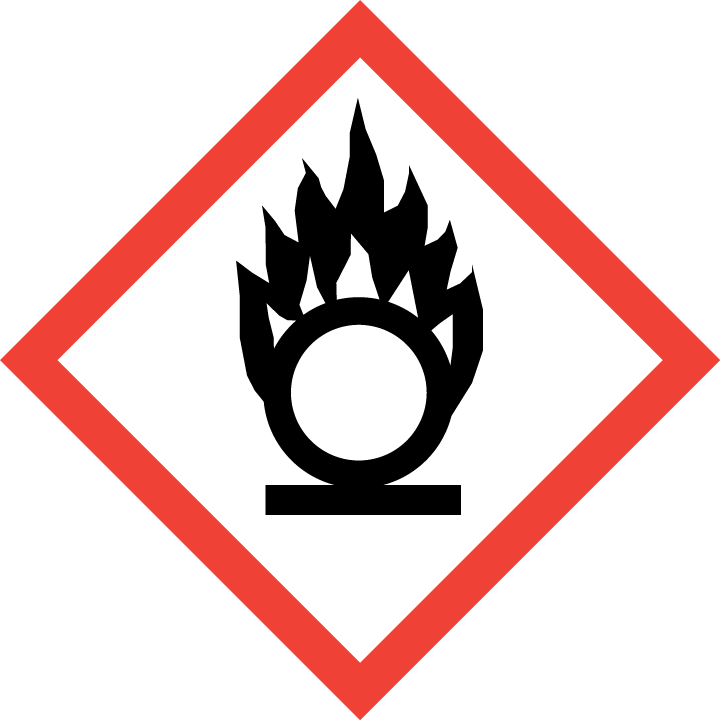
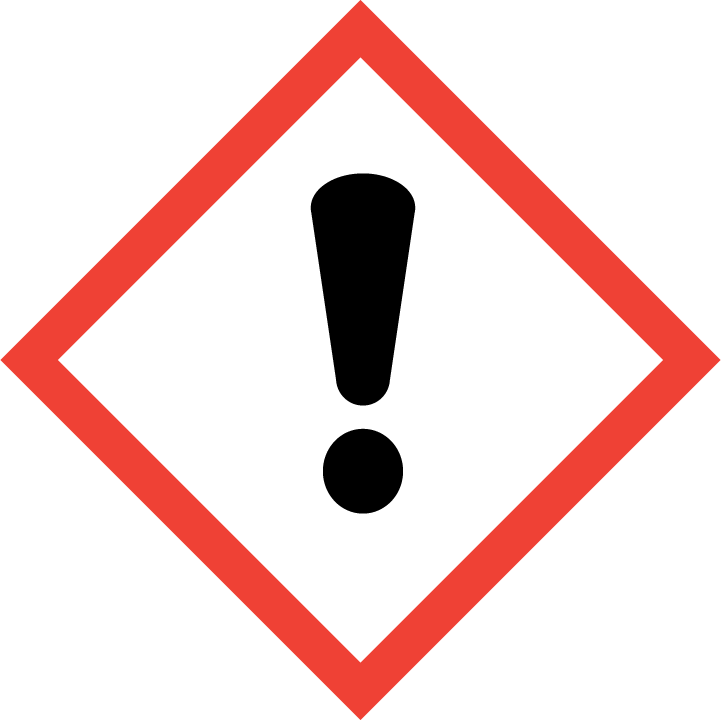
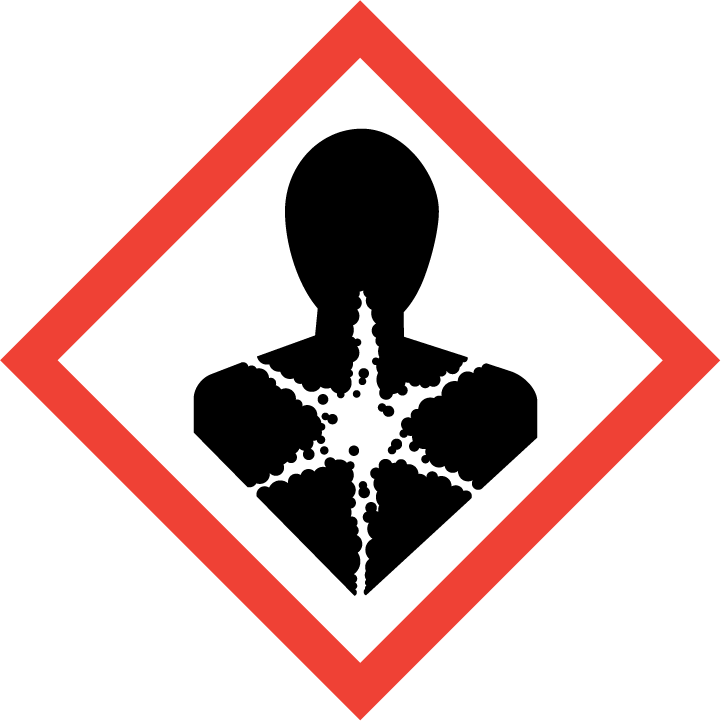
- Signal Words
- None
- Hazard Statement(s)
- Silpowder This product is not classified as a hazardous substance or mixture according to the OSHA Hazard
- SEPTONE ACRYLIC LACQUER
- H224 Extremely flammable liquid and vapour.
- H302 Harmful if swallowed.
- H304 May be fatal if swallowed and enters airways.
- H315 Causes skin irritation.
- H319 Causes serious eye irritation.
- H335 May cause respiratory irritation.
- H336 May cause drowsiness or dizziness.
- H351 Suspected of causing cancer.
- H360 May damage fertility or the unborn child.
- H373 May cause damage to organs through prolonged or repeated exposure.
- AUH044 Risk of explosion if heated under confinement.
- Precautionary Statement(s)
- P101 If medical advice is needed, have product container or label at hand.
- P102 Keep out of reach of children.
- P103 Read carefully and follow all instructions.
- Precautionary statement(s) Prevention
- P201 Obtain special instructions before use.
- P210 Keep away from heat, hot surfaces, sparks, open flames and other ignition sources. No smoking.
- P260 Do not breathe mist/vapours/spray.
- P271 Use only outdoors or in a well-ventilated area.
- Precautionary statement(s) Response
- P301±P310 IF SWALLOWED: Immediately call a POISON CENTER/doctor/physician/first aider.
- P331 Do NOT induce vomiting. If more than 15 mins from Doctor, INDUCE VOMITING (if conscious).
- P308±P313 IF exposed or concerned: Get medical advice/ attention.
- P370±P378 In case of fire: Use alcohol resistant foam or normal protein foam to extinguish.
- Precautionary statement(s) Storage
- P403±P235 Store in a well-ventilated place. Keep cool.
- P405 Store locked up.
- Precautionary statement(s) Disposal
- P501 Dispose of contents/container to authorised hazardous or special waste collection point in accordance with any local regulation.
Human Health
- Inhalation
- Do not breathe gas/fumes/vapour/spray
- Ingestion
- If swallowed, do not induce vomiting; seek medical advice immediately and show this container or label.
- Eyes
- Irritating to eyes.
- Skin
- Avoid contact with skin and eyes.
3. Composition / Information on Ingredients
| Name | CAS No. | Content (w/w) | Classification |
|---|---|---|---|
| Ethyl acetate | 141-78-6 | 10-30% | Not Available |
| Toluene | 108-88-3 | 10-30% | Not Available |
| Xylene | 1330-20-7 | 10-30% | Not Available |
| Methoxy Propyl Acetate | 108-65-6 | <5% | Not Available |
| Cyclohexanone | 108-94-1 | <5% | Not Available |
| Methyl ethyl ketone | 78-93-3 | <5% | Not Available |
4. First Aid Measures
- Ingestion
- DO NOT induce vomiting. Immediately wash mouth out with water, then give water to drink. Seek immediate medical attention.
- Inhalation
- Remove the source of contamination or move the victim to fresh air. Ensure airways are clear and have qualified persons give oxygen through facemask if breathing is difficult. Unconsciousness or irritation or difficulty in breathing. Seek immediate medical attention.
- Skin Contact
- Remove contaminated clothing (avoiding static discharge). Wash affected areas with copious amounts of soap and water. Ensure contaminated clothing is washed before re-use or discarding. Seek medical attention.
- Eye Contact
- Flush with water, including under lids, for fifteen minutes. Take care not to rinse contaminated water into the non-affected eye. If irritation develops, seek medical attention.
- Other Information
- You should call The Poisons Information Centre if you feel that you have been poisoned, burned or irritated by this product. The number is 13 11 26 from anywhere in Australia (0800 764 766 in New Zealand) and is available at all times. Have this SDS with you when you call.
5. Firefighting Measures
Suitable extinguishing equipment
- Fire
- Extinguishing media
- Alcohol stable foam.
- Dry chemical powder.
- BCF (where regulations permit).
- Carbon dioxide.
- SMALL FIRE:
- Water spray, dry chemical or CO₂
- LARGE FIRE:
- Water spray or fog
- HAZCHEM
- 3YE
6. Accidental Release Measures
- Personal precautions, protective equipment and emergency procedures
- Personnel involved in cleaning up any spills are to wear full protective equipment. If there is a risk of fire, self-contained breathing apparatus should also be worn. Remove all sources of heat or ignition. Do not smoke during the clean-up procedure. Cordon off the spillage area. Isolate the source of the spillage or leak.
- Environmental precautions
- Minor Spills
- Clean up all spills immediately.
- Avoid breathing vapours and contact with skin and eyes.
- Wear protective clothing, impervious gloves and safety glasses.
- Shut off all possible sources of ignition and increase ventilation.
- Major Spills
- Clear area of personnel and move upwind.
- Alert Fire Brigade and tell them location and nature of hazard.
- May be violently or explosively reactive.
- Wear breathing apparatus plus protective gloves.
- Methods and materials for containment and clean up
- Contain the spillage using a suitable non-flammable absorbent material such as sand or diatomaceous earth (but not sawdust) and then transfer to sealed metal containers for disposal.
- Prevent spillage from entering the sewerage system or waterways.
- Dispose of large amounts in a suitable chemical dump (check the local statutory requirements).?
- Environmental precautions: Prevent spills and rinsing from entering storm or sanitary sewers or other waterways and contact with soil.
- Methods and materials for containment and clean up large spills - Prevent spillage from entering drains or water courses.
- Stop leaks if safe to do so and contain spill. Absorb using sand, vermiculite or other suitable absorbent material.
- If spill is too large or if absorbent is not available create a dam to stop the material spreading.
- Collect product and place into clearly labelled containers for disposal in accordance with local regulations.
- After spills wash the area preventing run off from entering drains.
- If a significant quantity enters drains, advise emergency services.?
- Never return spills to original container for re-use.?
- Launder contaminated clothing before storage or reuse.
7. Handling and Storage
- Precautions for safe handling
- Safe handling
- Avoid all personal contact, including inhalation.
- Wear protective clothing when risk of exposure occurs.
- Use in a well-ventilated area.
- Prevent concentration in hollows and sumps.
- Other information
- Keep dry to avoid corrosion of cans. Corrosion may result in container perforation and internal pressure may eject contents of can
- Store in original containers in approved flammable liquid storage area.
- DO NOT store in pits, depressions, basements or areas where vapours may be trapped.
- No smoking, naked lights, heat or ignition sources.
- Keep containers securely sealed.
- Conditions for safe storage
- Suitable container
- sealed container
- Check that containers are clearly labelled.
- Storage incompatibility
- Avoid storage with oxidisers
8. Exposure Controls / Personal Protection
Exposure Standards
| Material | TWA ppm | TWA mg/m³ | STEL ppm | STEL mg/m³ |
|---|---|---|---|---|
| - | - | - | ||
| - | - | - | ||
| - | - | - | ||
| - | - | - |
- Engineering controls
- Ensure that the ventilation is adequate to maintain air concentrations below the exposure standards.
- If necessary, provide local exhaust ventilation.
- Ventilation equipment must be explosion proof.
- Isolate the product from all sources of heat or ignition, including sparks and naked flames.
- Take precautionary measures against static discharge.
- The vapour is heavier than air and can accumulate in hollows and sumps.
- Do not enter confined spaces where the vapour may have accumulated.
- No smoking.
Personal protective equipment
- Eye and face protection
- The wearing of safety glasses is recommended.? Hand Protection: If prolonged or repeated skin contact is likely, oil impervious gloves should be worn.
- Skin protection
- No special equipment needed when handling small quantities.
- OTHERWISE:
- For potentially moderate exposures:
- Wear general protective gloves, eg. light weight rubber gloves.
- For potentially heavy exposures:
- Wear chemical protective gloves, eg. PVC. and safety footwear.
- Body protection
- No special equipment needed when handling small quantities.
- OTHERWISE:
- Overalls.
- Skin cleansing cream.
- Eyewash unit.
- The clothing worn by process operators insulated from earth may develop static charges far higher (up to 100 times) than the
- minimum ignition energies for various flammable gas-air mixtures. This holds true for a wide range of clothing materials
- including cotton.
- Avoid dangerous levels of charge by ensuring a low resistivity of the surface material worn outermost.
- BRETHERICK: Handbook of Reactive Chemical Hazards.
- Respiratory protection
- Avoid breathing of vapours/mists. Wear a respirator suitable for organic vapours and comply with AS1715/AS1716 if vapour concentrations exceed the exposure standards.
9. Physical and Chemical Properties
General information
- Appearance
- Liquid
- Odour
- Not Available
- pH
- Not Applicable
- Density
- 0.58@25°C
- Boiling Point
- Not Available
- Melting Point
- Not Available
- Solubility
- Immiscible
- Specific Gravity of Density
- Not Applicable
- Flash Point
- -30C (From the solvent with the lowest flash point)
- Flammable (Explosive) Limits
- Highly flammable
- Ignition Temperature
- Not Available
- Formula
- Not Available
10. Stability and Reactivity
- Reactivity
- Stable, non-reactive when stored and used according to recommendations.
- Chemical stability
- Elevated temperatures.
- Presence of open flame.
- Product is considered stable.
- Hazardous polymerisation will not occur.
- Possibility of hazardous reactions
- This product is likely to decompose only after heating to dryness, followed by further strong heating.
- Combustion forms carbon dioxide and if incomplete carbon monoxide and possibly smoke.
- Water is also formed.
- Carbon monoxide poisoning produces headache, weakness, nausea, dizziness, confusion, dimness of vision, disturbance of judgement and unconsciousness followed by coma and death.
- Conditions to avoid
- Sources of heat or ignition, including sparks and naked flames. Static electricity discharges. An explosive air-vapour mix may form - ensure adequate ventilation. Vapours are heavier than air.
- Incompatible materials
- Strong oxidising agents.
11. Toxicological Information
- Acute effects
- Prolonged and repeated exposure through skin contact, inhalation of this material will result in harmful effects including central nervous system effects, possibly leading to unconsciousness or death.
- Repeated or prolonged exposure may also cause skin dryness and cracking, leading to skin irritation and possible dermatitis.
- Possible risk or irreversible effects. May cause harm to the unborn child. Possible risk of impaired fertility.
- Danger of cumulative effects.?
- Acute Oral Toxicity: TDLo: 330 mg/kg (rat, silver metal)
- Eye contact
- May cause irritation to the eye which can result in redness, swelling, itching, stinging and excessive tearing.
- Skin contact
- May cause irritation to the eye which can result in redness, swelling, itching, stinging and excessive tearing.
- Ingestion
- Harmful if swallowed. May cause irritation to the gastrointestinal system. Systems may include nausea, vomiting, diarrhea, headache, abdominal pain, CNS depression, seizures, loss of coordination.
- Inhalation
- Harmful by inhalation. May cause irritation to the mucous membrane and upper airways, especially where vapours or mist is generated. Symptoms included sneezing, coughing, wheezing, shortness of breath, headache, drowsiness, dizziness, nausea and vomiting.
12. Ecological Information
- Ecotoxicity
- Accidental spillage may lead to penetration in the soil and groundwater.
- Improper handling and disposal of this material may cause environmental damage.
- Persistence and degradability
- Silver is not biodegradable and is toxic to aquatic life.
- Other adverse effects
- Silver is one of the most toxic metals known to aquatic organisms.
13. Disposal Considerations
General information
Refer to State Territory Land Waste Management Authority. Dispose of material through a licensed waste contractor. Advise flammable nature. Do not empty into drains.? Disposal of this material is subject to user compliance with applicable laws and regulations and consideration of product characteristics at time of disposal.
14. Transport Information
ADG label required
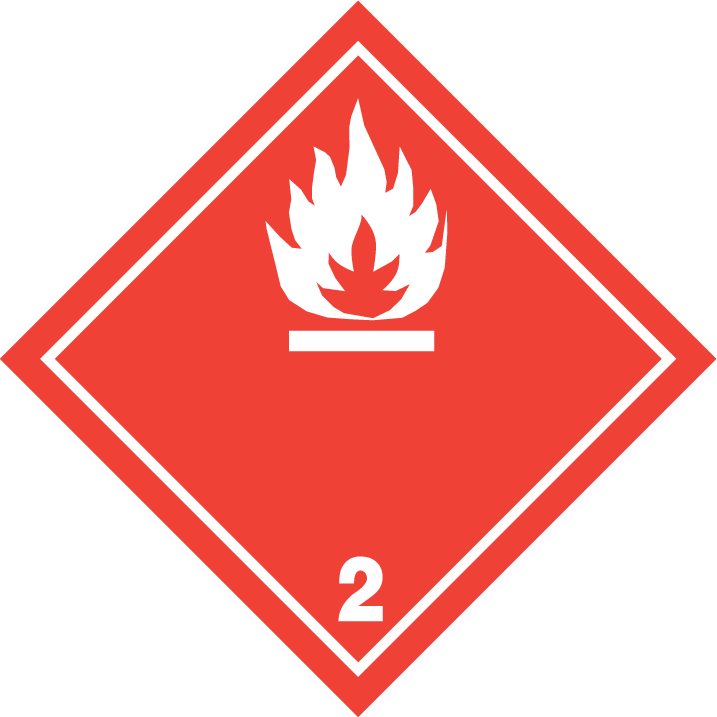
- HAZCHEM
- 3YE
- UN Number
- 1263
- Proper shipping name
- Not Applicable
- Transport hazard class
- DG Class 3
- Packing group
- II
- Environmental hazard
- Not Applicable
- Special precautions for users
- Not Applicable
15. Regulatory Information
- Other Information
- Classified as hazardous according to criteria of NOHSC.? HAZARDOUS SUBSTANCE.? SCHEDULED POISON.? Classified as Hazardous according to criteria of National Occupational Health & Safety Commission, Australia (NOHSC).? Classified as a Scheduled Poison according to the Standard for the Uniform Scheduling of Medicines and Poisons (SUSMP).? Poison Schedule: s5? Hazard Category: Harmful, Irritant, Highly Flammable.? AICS (Australia): All the constituents of this material are listed on the Australian Inventory? of Chemical Substances (AICS).? Other Information: Labelling requirements of the Standard for Uniform Scheduling of Medicines and Poison do not apply to a poison that is packed and sold solely for industrial, laboratory or manufacturing purposes and is labelled in accordance with Safe Work Australia's Labelling of Workplace Hazardous Chemicals Code of Practice.
16. Other Information
- SDS preparation date
- 19 February 2026
- References
- Safety Data Sheet, Septone Acrylic Lacquer, August 2015 infosafe cs 1.9.605??
- Safety Data Sheet, https://go.lupinsys.com/itw/harms/pm/792cb5c57f54e2666fa93ff4ed6a01c7-published/attachment/sds-aus.pdf
- SILPOWDER® 587 TECHNIC, INC.SAFETY DATA SHEET 18th February 2016 https://www.technic.com/sites/default/files/resources/Silpowder%20587%2C%2017-587.pdf